PCE inflation rises to 3.8% as markets bet on a December Fed hike
The Fed's preferred inflation gauge rose 3.8% in the year to October, with core prices up 3.3%, and traders now expect a Fed rate hike on Dec. 9.
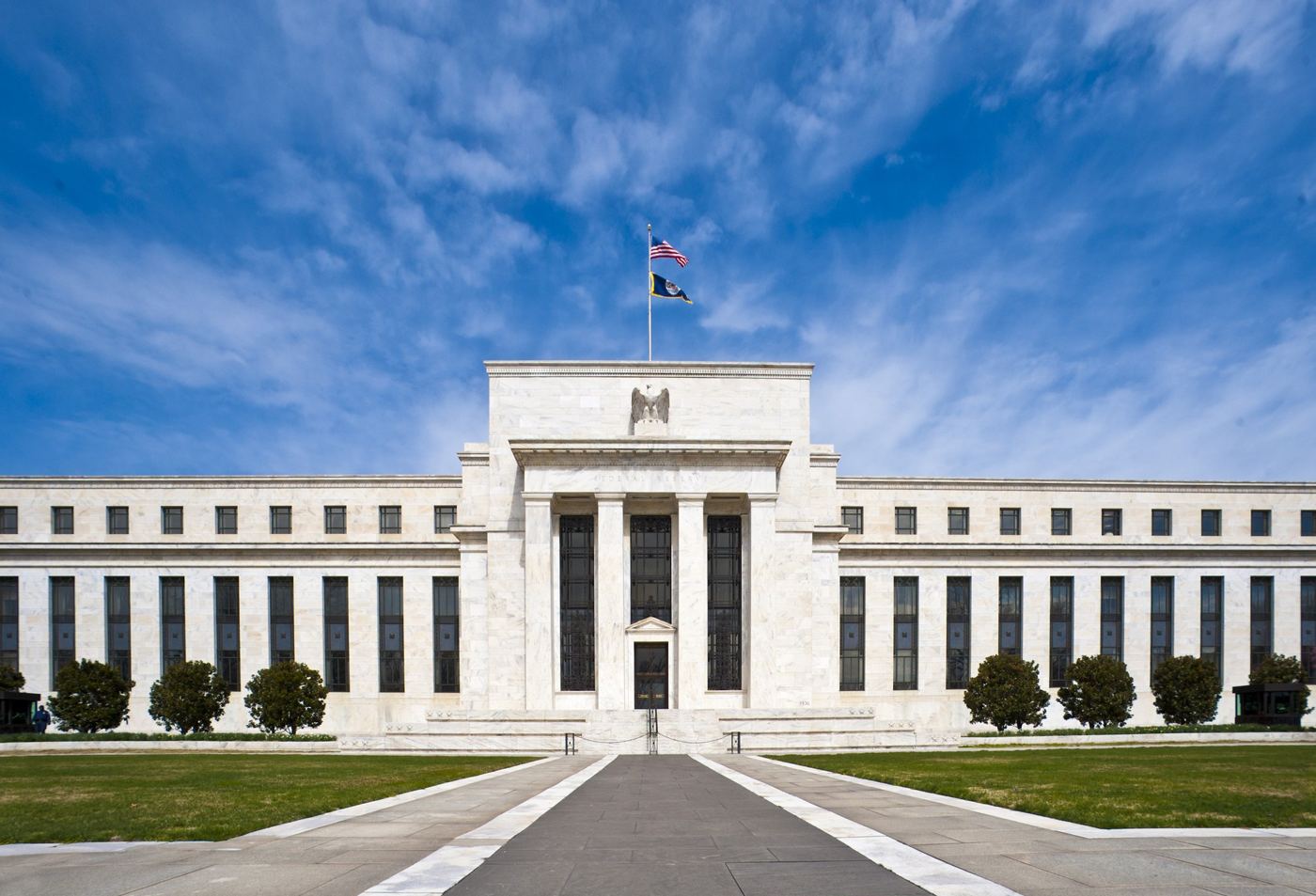
PCE inflation, the Federal Reserve's preferred measure of rising prices, climbed to 3.8% in the 12 months through October, the Commerce Department's Bureau of Economic Analysis said Wednesday morning, Nov. 25. Core prices, which leave out food and energy, rose 3.3%. The report strengthens expectations that the Fed will raise interest rates at its Dec. 8–9 meeting.
What happened
The BEA report, released at 8:30 a.m. Eastern, showed prices rising 0.3% in October alone, both overall and for the core measure. Over 12 months, the overall index was up 3.8% and the core index was up 3.3%.
According to CNBC, the headline number matched what economists expected, while the core reading came in a tenth of a point higher than forecast. The Fed's long-run goal is 2% inflation, so both numbers remain well above target.
The same report showed Americans' incomes jumped 0.7% in October, beating forecasts, while consumer spending rose 0.3%. After adjusting for inflation, spending slipped slightly. The personal saving rate rose to 4.1%.
How we got here
At its last meeting on Oct. 28, the Fed held its benchmark rate range at 3.75% to 4%. That vote was not unanimous. Two officials, Lisa Cook and Beth Hammack, dissented because they wanted another quarter-point increase right away.
Even before Wednesday's report, traders were betting heavily on a December hike. On Tuesday, Yahoo Finance reported markets put roughly a 95% chance on a quarter-point hike, and worries about it weighed on stocks. The Nasdaq fell about 1.5% that day, led by chip stocks, while the Dow rose about 0.9%.
After the report, CNBC said markets were fully pricing in a quarter-point hike in December, with traders expecting two more increases in 2027.
What economists are saying
Some economists say the problem is no longer just high energy prices. Heather Long, chief economist at Navy Federal Credit Union, told CNBC that "America's inflation problem is bigger than an energy shock."
"Inflation is too hot and it will not be brought under control as long as economic demand is also too hot," Chris Rupkey, chief economist at Fwdbonds, told CNBC.
What it means for borrowing
Mortgage rates are already high. Freddie Mac said Wednesday the average 30-year fixed rate fell to 7.21% this week from 7.28% the week before, but it is up from 6.23% a year ago. The 15-year rate is 6.54%. Mortgage rates follow long-term bond yields rather than the Fed's rate directly, but they tend to stay elevated when inflation runs hot.
A Fed hike would more directly raise rates on credit cards, home equity lines and other variable-rate loans, which usually move with the Fed's benchmark.
What we know and don't know
What we know: PCE inflation was 3.8% and core PCE was 3.3% in October. The Fed's rate range is 3.75% to 4%. CNBC reported that markets are fully pricing in a quarter-point hike at the Dec. 8–9 meeting, which would lift the range to 4% to 4.25%.
What we don't know: The Fed, led by Chair Kevin Warsh, has not said what it will do, and officials could see more economic data before they vote. How many hikes follow in 2027 is also uncertain.
What's next
The Fed's two-day meeting runs Dec. 8–9, with its decision due Wednesday, Dec. 9. Until then, watch for any comments from Fed officials and for how bond yields and mortgage rates react to this report.