Iowa lead azide detonation done as EPA reports zero airborne lead
The Army blew up nearly 5 tons of unstable lead azide at the Iowa Army Ammunition Plant on Wednesday. EPA monitors found no airborne lead in early readings.
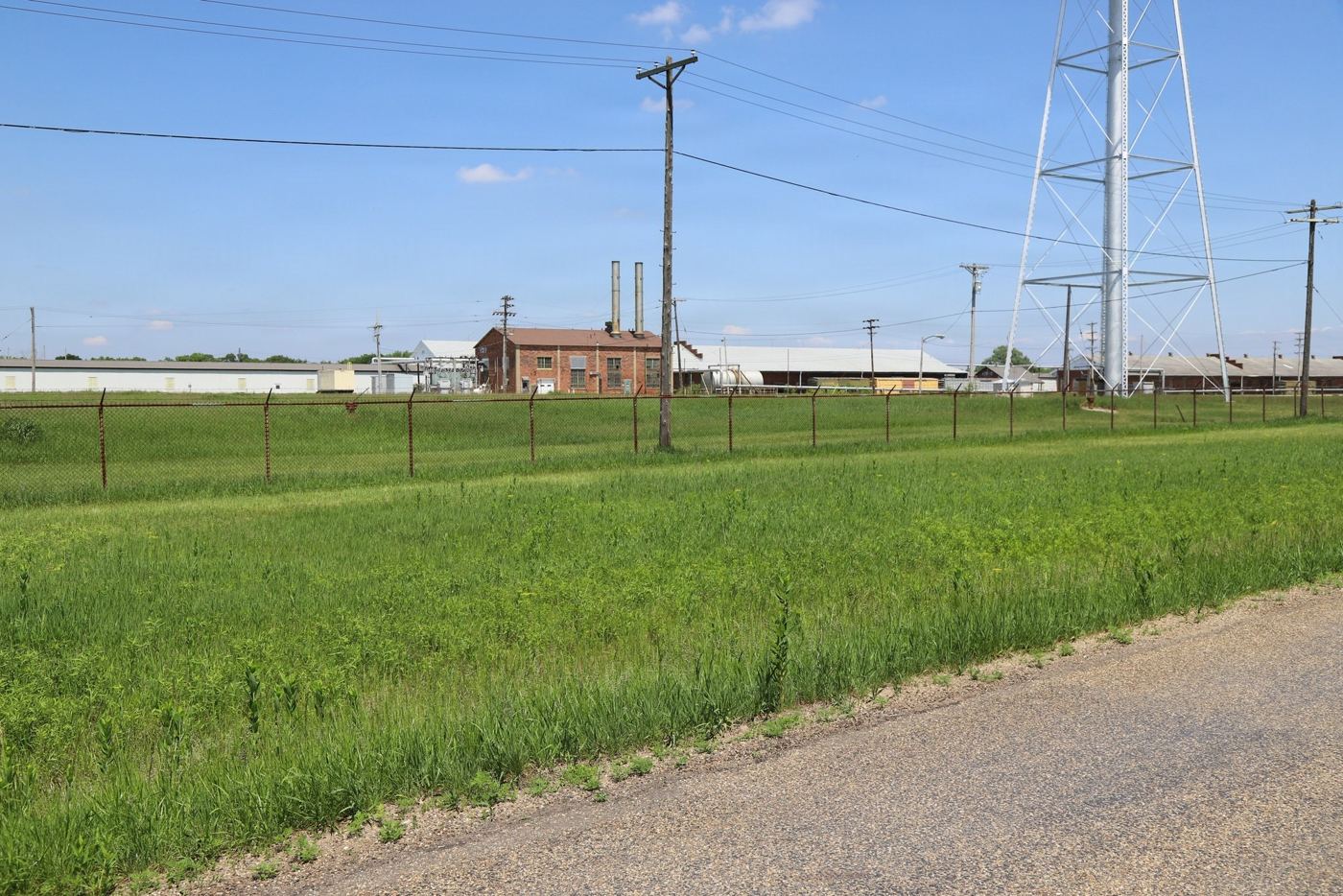
The U.S. Army detonated nearly five tons of degraded lead azide at the Iowa Army Ammunition Plant in Middletown, Iowa, at about 9 a.m. Central time on Wednesday, Nov. 25. Early readings from four EPA air monitors found zero airborne lead 15 minutes after the blast and again two hours later, CBS News reported.
What happened
The plant held 68 barrels of lead azide, an explosive compound used in ammunition since World War I. After about 20 years in storage, the material had recrystallized, which made it more likely to go off by accident from friction or movement, according to CBS News. Col. Aaron Teller said crystallized lead azide had built up on the outside of the barrels and lids, which blocked chemical treatment and safe handling, ABC News reported.
On Tuesday, Nov. 24, Iowa Gov. Kim Reynolds issued a disaster emergency proclamation for Des Moines, Lee and Van Buren counties, freeing up state resources. The Army recommended that people in a 5-mile cone extending southwest of the plant leave on Tuesday and stay away until Friday at the earliest. Up to 100 Iowa National Guard soldiers helped reach about 150 households. Federal health officials urged pregnant women, children under 6 and people with chronic illness to leave.
The detonation was postponed twice because of weather and a lawsuit, ABC News reported. The Iowa Environmental Council and the Sierra Club's Iowa chapter argued lead dust could spread more than 100 miles. The 8th U.S. Circuit Court of Appeals briefly paused the operation, then lifted that stay and denied the groups' emergency motion. The court acknowledged "the very real risks" of the plan but found an uncontrolled explosion would be worse, CBS News reported.
To limit dust, the Army used a wall of water tanks, foam barriers and gel blocks, according to Acting Army Secretary Adam Telle. ATF Director Robert Cekada said the operation went "100% as planned," CBS News reported.
What each side says
Federal and state officials called the operation a success. Maj. Gen. Eric Shirley said the blast "exceeded expectations," ABC News reported. Missouri Gov. Mike Kehoe said it "was well-contained."
Critics say the process was not open enough. Iowa Gov.-elect Rob Sand said the run-up "should never have been so chaotic and unclear" and called for transparency. The environmental groups said they would not pursue more legal action but urged the government to keep the public informed.
What we know and don't know
Confirmed: the blast happened at about 9 a.m. CT Wednesday. EPA real-time monitors found no airborne lead in early readings. The CDC activated an emergency response to support Iowa's health department, ABC News reported.
Not yet known: results from EPA tests of water and soil, which were taken before, during and after the blast. The Army had estimated dust could settle across a 148-square-mile zone outside the plant. The Army had told evacuees to stay away until Friday at the earliest; officials have not set a firm return date.
What's next
EPA official Tom Croci said the agency will keep monitoring "for as long as it takes" for officials to be confident levels are safe. NASA sent three aircraft and is using satellite data to track conditions. Evacuated residents will get a phone call when the all-clear is given.